

Резервный фонд вашего квартирного товарищества, скорее всего, слишком мал
Когда я купил свою первую квартиру в Purvciems, нотариус протянул мне стопку бумаг и упомянул что-то про «резервный фонд». Я кивнул, будто понял. Я не понял.
Понадобилась протекающая крыша три зимы спустя, чтобы научить меня, для чего этот фонд на самом деле нужен — и насколько плохо финансировано большинство товариществ в Риге.
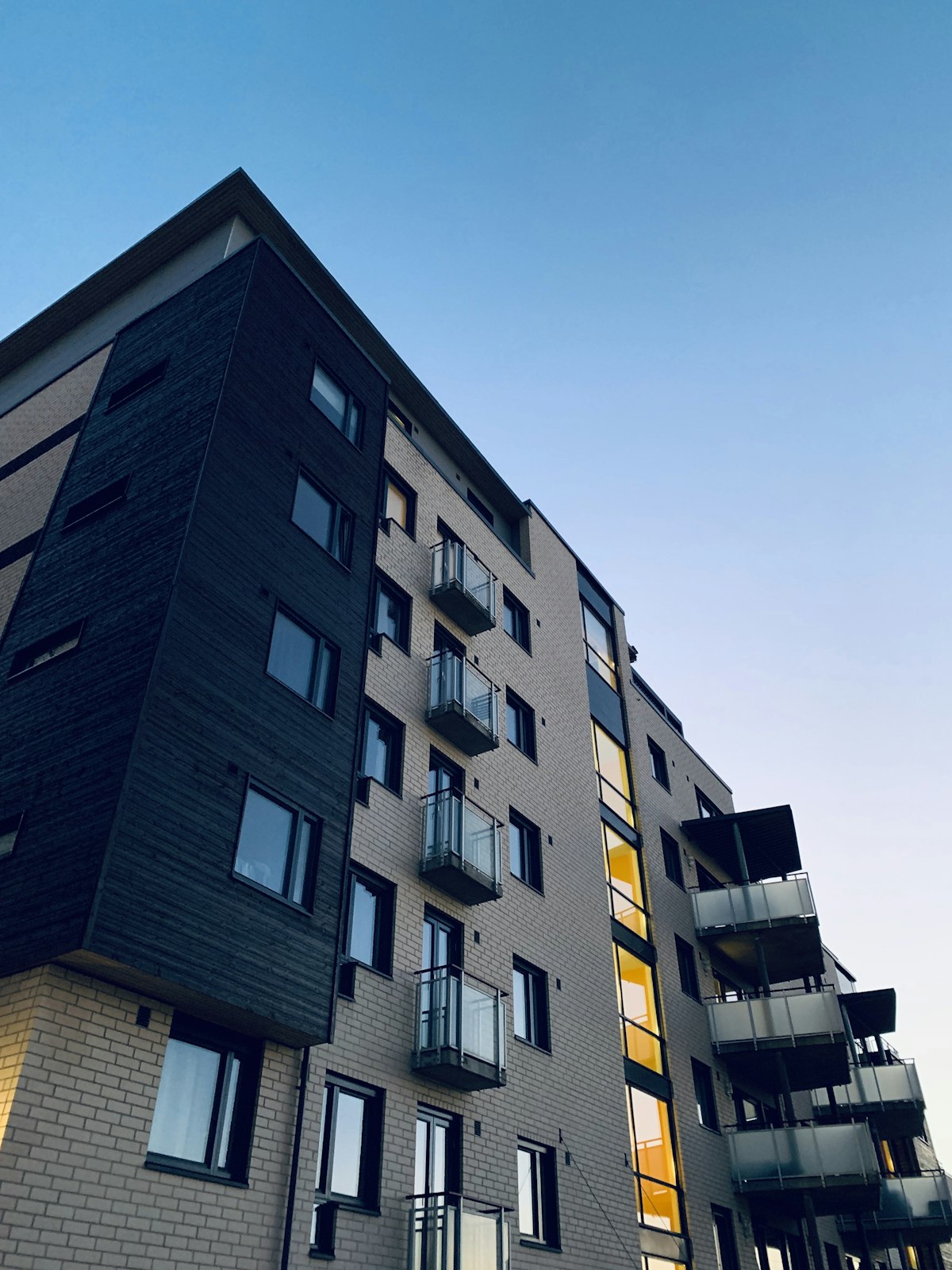
Что такое резервный фонд на самом деле (и чем он не является)
Давайте покончим со скучным определением, потом я расскажу, почему цифры пугают.
Резервный фонд — это котёл денег, который ваше квартирное товарищество откладывает на капитальный ремонт и замену — то, что не является ежемесячным обслуживанием. Крыша. Капремонт лифта. Утепление фасада. Замена труб. Оболочка здания, по сути.
Это не ваш операционный бюджет. Операционные деньги платят за уборку, отопление мест общего пользования, ежемесячный сервисный контракт лифта, страховку, бухгалтерию. Резерв — для крупных проектов, которые случаются раз в 15–30 лет и стоят больше годового взноса.
Проблема: большинство латвийских квартирных товариществ, которые я видел, относятся к резерву как «к тому, что останется в конце года». Обычно ничего не остаётся.
Юридическая сторона, кратко
Закон Латвии о управлении жилой собственностью (Dzīvokļa īpašuma likums) фактически не обязывает товарищества держать конкретную сумму резерва. Раздел 30 говорит об общей собственности мест общего пользования и обязанности поддерживать их, но закон молчит о обязательном минимальном резерве.
Эстония немного структурирование. Согласно Закону о квартирной собственности и квартирных товариществах (Korteriomanduse ja korteriühistuse seadus), §25, собственники обязаны вносить вклад в резервный фонд, а сумма определяется на годовом собрании товарищества. На практике, однако, суммы, утверждённые на собраниях, часто символические — 0,10–0,20 евро за квадратный метр в месяц.
Так что закон даёт рамку. Он не даёт осмысленную цифру.
Какой должна быть цифра на самом деле
Здесь у людей стекленеют глаза, поэтому буду конкретен.
Стандартное резервное исследование (то, что управляющие недвижимостью в США и Германии обязаны заказывать) рассматривает каждый крупный компонент, его оставшийся срок службы и стоимость замены — затем вычисляет, сколько нужно откладывать в месяц, чтобы быть готовым, когда счёт придёт.
Дам реалистичный пример. Возьмём 30-квартирное панельное здание советской постройки в Agenskalns, примерно 1 800 м² общей площади:
| Компонент | Остаточный срок | Стоимость замены | Требуемый годовой взнос |
|---|---|---|---|
| Крыша (битумная мембрана) | 8 лет | 38 000 евро | 4 750 евро |
| Модернизация лифта | 12 лет | 22 000 евро | 1 833 евро |
| Утепление фасада + штукатурка | 20 лет | 95 000 евро | 4 750 евро |
| Трубы холодной/горячей воды | 10 лет | 14 000 евро | 1 400 евро |
| Окна в местах общего пользования | 15 лет | 6 000 евро | 400 евро |
Теперь сравните с тем, что реально откладывают большинство товариществ. Те, что я неофициально аудited — здания друзей, моё собственное — откладывают от 0,05 до 0,15 евро/м². Это четверть от необходимого. Может, меньше.
Что происходит при недофинансировании
Вы, наверное, догадываетесь, но позвольте расписать, потому что я видел это дважды.
Сценарий первый: дополнительный взнос. Крыша начинает протекать в марте. В резерве 2 000 евро. Крыше нужно 38 000 евро. Правление созывает внеочередное собрание и утверждает единовременный взнос — в здании друга это было 850 евро на квартиру, срок 30 дней. Двое отказались. Один подал жалобу в центр защиты прав потребителей. Это тянулось месяцами, пока течь ухудшалась.
Сценарий второй: спираль отложенного ремонта. Лифту 28 лет. Он проходит осмотр, едва. Товарищество продолжает голосовать «оценить в следующем году», потому что никто не хочет повышать взнос. В итоге сервисная компания отказывается подписать годовой контракт без полной модернизации. Теперь вы платите по emergency-ставкам, а здание полгода живёт без работающего лифта, пока идут закупки. Пожилые жильцы на четвёртом и пятом этажах застряли.
Оба сценария распространены в Риге. Оба предотвратимы с резервным фондом, который реально отражает кривую старения здания.
Почему правления продолжают ошибаться
Раньше я думал, что это невежество. Теперь думаю, что это в основном стимулы.
Члены правления в латвийских квартирных товариществах — волонтёры, почти всегда собственники, живущие в здании. Обычно они избираются на два года. Если они повышают ежемесячный взнос на 0,40 евро для надлежащего финансирования резерва, они получают злых соседей. Если они держат взнос прежним и морят резерв голодом, крыша становится чужой проблемой через восемь лет — после их срока.
Математика ясна. Политика — нет.
Ещё есть культурное наследие эпохи приватизации 1990-х. Когда каждый получил квартиру за символическую сумму, идея «доплатить сейчас за крышу в 2033 году» казалась абсурдной. Многие собственники перенесли этот подход дальше, даже когда их здания старели, а стоимость ремонта росла.
Практический путь вперёд (если вы в правлении)
Если вы читаете это, потому что только что были избраны в правление своего товарищества — вот что я бы сделал: не теория, а практические шаги:
Начните с перечня компонентов, а не с цифры. Пройдитесь по зданию с кем-то, кто разбирается в строительстве. Перечислите каждый крупный общий элемент, его возраст, состояние. Оцените стоимость замены (получите две сметы для крупных). Это 80% резервного исследования, и большую часть можно сделать за выходные.
Посчитайте разрыв. Для каждого компонента разделите стоимость замены на оставшиеся годы. Сложите. Разделите на общую площадь в квадратных метрах. Это ваш целевой ежемесячный взнос в резерв на м². Сравните с тем, что вы сейчас собираете. Разрыв — ваша проблема для решения.
Фазируйте повышение. Никто не хочет рост взноса на 40% за один год. Но повышение на 0,10 евро/м² каждый год в течение трёх лет доведёт вас до цели, и это легче защищать на собрании. «Мы повышаем взнос на 5 евро/мес для квартиры 50 м², чтобы крыша не рухнула в 2030 году» — предложение, которое реальный человек может произнести.
Отделите резерв от операционного бюджета. Откройте отдельный сберегательный счёт. Переводите туда взнос в резерв ежемесячно. Звучит тривиально, но я видел товарищества, где резерв жил на том же счёте, что и зарплата уборщице, и угадайте, что тратилось первым.
Пересматривайте ежегодно. Компоненты стареют. Расходы растут. Целевой резерв не статичен.
Эстонское сравнение (потому что кто-то спросит)
Эстонские товарищества в среднем немного дальше — не потому что закон кардинально лучше, а потому что кооперативная культура сильнее, а цифровизация (e-Estonia — это реально для жилищных записей) облегчает отслеживание резервов годами. Я видел, как таллиннские товарищества публикуют остаток резерва в материалах годового собрания как должное. В Риге это всё ещё исключение.
Но даже в Эстонии средний взнос в резерв, который я видел в опросах жилищных кооперативов, — около 0,20–0,30 евро/м². Лучше, чем типичные 0,10 евро в Латвии. Всё ещё меньше половины того, что требовало бы реальное резервное исследование.
Одно, что я бы изменил, если бы мог
Если Латвия когда-нибудь пересмотрит закон о управлении недвижимостью, я бы хотел одно дополнение: требование, чтобы товарищества с более чем, скажем, 12 квартирами публиковали отчёт о достаточности резерва в годовом отчёте. Не обязательный минимум — просто раскрытие. «У нас X евро в резерве. Наш последний обзор компонентов оценивает Y евро, необходимых в течение следующих 20 лет. Разрыв: Z евро».
Эта единственная строка в годовом пакете собрания сделала бы больше, чем любой мандат на взносы. Собственники увидели бы разрыв. Покупатели увидели бы разрыв. Банки, финансирующие кредиты на реновацию, увидели бы разрыв. Давление пришло бы от рынка, а не от правления, пытающегося убедить скептическое собрание.
Это маленькое изменение. Именно то, что не стоило бы никому денег и изменило бы поведение в течение трёх лет.
Итог, который не является заключением
Крышу придётся менять. Лифт придётся модернизировать. Трубы выйдут из строя. Это не сюрпризы — это расписание.
Ваш резервный фонд — это разница между оплатой на своих условиях или оплатой на условиях банка, по emergency-ставкам, на собрании, на которое никто не хотел приходить.
Если вы в правлении — посчитайте цифры в этом месяце. Если вы собственник — спросите правление о цифрах на следующем собрании. Если ответ «мы особо это не отслеживаем» — это и есть ваш ответ, и он неправильный.
Urbaneta помогает планировать бюджеты, следить за резервами и готовить отчёты для управлений домами в Латвии и Эстонии — попробуйте бесплатно 14 дней, без банковской карты.

